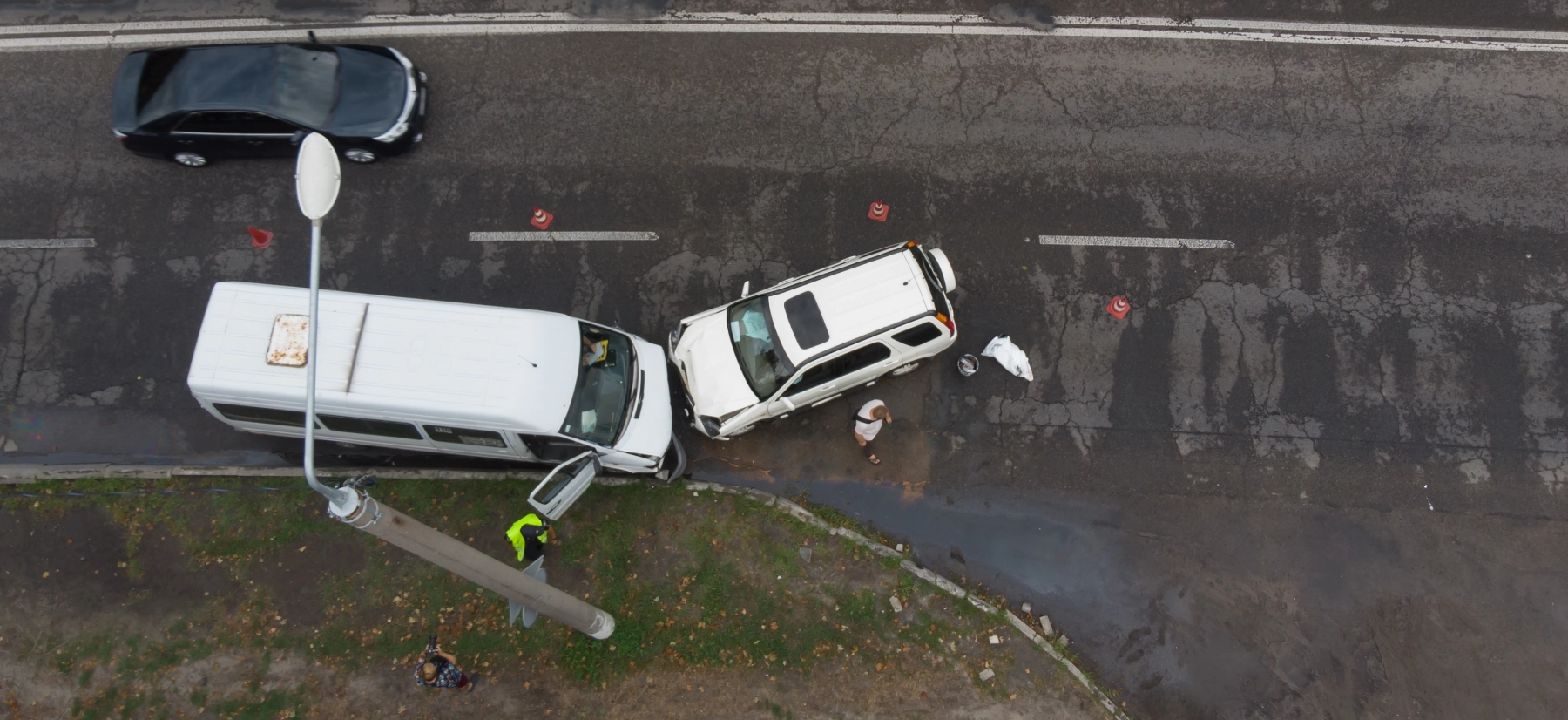
Boulder Head-On Collision Attorney
LEGAL ADVOCACY WHEN YOU NEED IT MOST
Our firm operates on a contingency fee basis, meaning you won’t pay any attorney fees unless we successfully secure compensation for you.
Head-on collisions are among the most devastating types of car accidents, leaving victims and their families to grapple with severe injuries, emotional trauma, and financial uncertainty. We know how overwhelming this experience can be at Ferrell Injury Law, and we’re here to help. Our firm is built on a foundation of compassionate, client-first representation and a commitment to securing justice for victims in Boulder, and nearby cities. With years of experience handling complex car accident cases, we understand what it takes to hold negligent parties accountable and secure the compensation you deserve.
When you work with us, you’ll receive personalized legal strategies designed to fit your unique situation. Whether negotiating with insurance companies or fighting in court, we stand by your side every step of the way.
A head-on collision can leave lasting physical and emotional scars. With someone by your side who genuinely cares, you’ll have the support to secure the justice and compensation you need.
Why Head-On Collisions Are so Devastating
Unlike other car accidents, head-on collisions involve the full force of two vehicles colliding front-to-front, often at high speeds. This leads to catastrophic damage, severe injuries, and, tragically, a higher likelihood of fatalities. Victims are often left facing:
- Extensive medical treatments—surgeries, physical therapy, and long-term care may be required;
- Lost income and earning capacity—severe injuries can make returning to work impossible for an extended period or permanently; and
- Emotional trauma—the psychological impact of such an accident can be long-lasting for both victims and their families.
Understanding the causes and liability in these collisions is key to building a strong case for compensation. Having an experienced head-on collision attorney to advocate for you can mean the difference in success.
Common Causes of Head-On Collisions
Head-on collisions can occur for various reasons, most involving driver negligence, such as:
- Distracted driving—texting, eating, or other distractions taking the driver’s focus off the road;
- Impaired driving—driving under the influence of alcohol or drugs significantly increases the risk of a head-on collision;
- Reckless driving—speeding, aggressive driving, or failing to follow traffic rules can lead to tragic outcomes; and
- Driving the wrong way—results from confusion, impaired judgment, or a lack of signage.
Each case is unique, and liability often extends beyond the at-fault driver. Our experienced head-on collision lawyer will thoroughly investigate all potential causes to identify every responsible party.
Determining Liability in Head-On Collisions
Establishing liability is a critical step in seeking compensation. In many cases, the negligent driver is held accountable, but other parties may also share responsibility, such as:
- Vehicle manufacturers—if a defective car part contributed to the collision;
- Government entities—when poorly maintained roads or inadequate signage play a role; and
- Third parties—such as employers, if the at-fault driver was operating a company vehicle.
Our team at Ferrell Injury Law is skilled in analyzing evidence, from accident reports and witness statements to vehicle damage and surveillance footage, to build a compelling case for our clients.
Common Injuries Resulting from Head-On Collisions
The injuries sustained in head-on collisions are often severe, requiring extensive medical care and leading to long-term consequences. Common injuries include:
- Traumatic brain injuries (TBIs)—these can range from mild concussions to permanent brain damage;
- Spinal cord injuries—including paralysis or other forms of permanent disability;
- Broken bones and fractures—often requiring surgeries and prolonged recovery;
- Internal injuries—damage to organs, internal bleeding, and other critical injuries;
- Whiplash and neck injuries—even at lower speeds, the force of impact can cause serious harm;
- Burn injuries—if the collision results in a vehicle fire;
- Facial injuries—cuts, fractures, and disfigurement are common in severe crashes; and
- Emotional trauma—many victims experience post-traumatic stress disorder (PTSD), anxiety, or depression following a collision.
These injuries affect physical health and impose financial and emotional burdens. Pursuing compensation is essential to covering these losses and rebuilding your life.
Steps to Take After a Head-On Collision
The moments following a head-on collision are critical for your health, safety, and legal rights. You should take the following actions:
- Seek immediate medical attention. Even if you feel fine, some injuries may not be immediately apparent. A medical evaluation is essential for your health and for documenting injuries for your claim.
- Call the police. A police report is a vital piece of evidence for determining fault and liability.
- Document the scene. If possible, take photos of the vehicles, road conditions, and any visible injuries.
- Collect contact information. Gather details from the other driver, witnesses, and responding officers.
- Notify your insurance company. Report the accident promptly but avoid making detailed statements without legal guidance.
- Consult a head-on collision attorney. An experienced lawyer will protect your rights, handle communications with insurance companies, and help you navigate the complexities of your case.
Remember, this is just a general guide to follow. Depending on the situation, you may need to take additional steps. However, these overall steps can strengthen your claim and increase your chances of securing fair compensation.
How Head-On Collision Lawyer Can Help
At Ferrell Injury Law, we understand the challenges victims face after a head-on collision. Our team is committed to:
- Providing personalized attention. We treat every case with the care and dedication it deserves.
- Navigating insurance claims. We handle negotiations with insurance companies to ensure they do not pressure you into accepting a low settlement.
- Building a strong case. Through thorough investigation and collaboration with experts, we craft compelling arguments to secure maximum compensation.
- Advocating for your rights. Whether through settlement or litigation, we fight tirelessly to hold negligent parties accountable.
Our client-focused approach ensures you receive the support and guidance you need during this difficult time.ensures you receive the support and guidance you need during this difficult time.
Recovering Compensation After a Head-On Collision
Head-on collisions often leave victims facing immense physical, emotional, and financial hardships. We focus on helping our clients recover full compensation for all the losses they have endured. Compensation in these cases can consist of economic and noneconomic damages; punitive damages may also apply in certain situations.
Economic Damages
Economic damages are tangible losses with a clear monetary value. These include:
- Medical expenses. Coverage for emergency care, surgeries, hospital stays, rehabilitation, physical therapy, prescription medications, and future medical care for ongoing treatment.
- Lost wages. Compensation for income lost due to time away from work during recovery. This can also include loss of earning capacity if your injuries prevent you from returning to your job or pursuing your career.
- Property damage. Reimbursement for vehicle repairs or replacement and damage to personal belongings inside the car.
- Out-of-pocket costs. These may include travel expenses for medical appointments, childcare costs incurred during recovery, or modifications to your home if your injuries result in disabilities.
You can estimate your economic damages by adding your bills, receipts, invoices, and estimates.
Noneconomic Damages
Noneconomic damages compensate for the more intangible consequences of an accident, such as:
- Pain and suffering. Compensation for physical pain, discomfort, and emotional distress caused by the accident and resulting injuries.
- Emotional distress. Damages for mental health struggles such as anxiety, depression, or PTSD.
- Loss of enjoyment of life. If your injuries prevent you from engaging in hobbies, activities, or aspects of life you once enjoyed.
- Loss of consortium. In cases where your injuries significantly affect your relationship with a spouse or family, compensation may be awarded for the loss of companionship or support.
Noneconomic damages can be more challenging to prove because they are unique and personal to the individual. However, you are nonetheless entitled to them. A skilled head-on collision lawyer can help you.
Punitive Damages
Courts may award punitive damages in cases where the at-fault party’s actions were particularly reckless, intentional, or malicious—such as driving under the influence. These are not intended to compensate for losses but to punish the responsible party and deter similar behavior in the future.
Maximizing Your Compensation
Ferrell Injury Law takes a comprehensive approach to calculating damages to ensure no one overlooks every aspect of your suffering. We collaborate with medical professionals, economic experts, and accident reconstruction specialists to build a strong case that fully represents the extent of your losses. We aim to fight aggressively for every dollar you are entitled to, allowing you to focus on healing while we handle the legal complexities.
Head-on Collision Car Accident Lawyer
Recovering from a head-on collision is a difficult journey, but you don’t have to face it alone. At Ferrell Injury Law, we make the legal process as straightforward and stress-free as possible. From the moment you reach out, our team will take the time to understand your story, address your concerns, and develop a strategy tailored to your needs.
We know how to tackle insurance companies and fight for the maximum compensation you deserve. Whether you’re dealing with mounting medical bills, lost wages, or emotional distress, we’re here to provide the aggressive advocacy and compassionate support you need. Don’t wait to protect your rights. Call Ferrell Injury Law today for a free consultation. Let us help you take the first step toward recovery and justice.
FREE CONSULTATION
TESTIMONIALS
"I'd give more stars if I could! Mike and his team really went above and beyond for me and my case! I was hurt, lost, and didn't know where to go, or what to do before I found the Ferrell Law Firm. Mike and his team changed that instantly. They took my case on and got to work right away! They gave me my peace of mind back. They put in so much work to make sure they got the best possible outcome for me. They always answered my phone calls, emails, and every question I had. They took all the work and stress out of my hands instantly and always made me feel comfortable and confident when it came to making decisions involving my case. They kept me in the loop the entire time and made sure it was a speedy process! I cannot thank them enough for the tremendous help they gave me, how down to earth, yet professional they were, and for how much they were in my corner! I am very grateful to have found the Ferrell Law Firm! They gave me a voice when I didn't have one. I absolutely recommend them to anyone who is feeling the way I was before I found them!"
Read MoreMegan E
Frequently Asked Questions About Head-On Collisions in Boulder
What are the most common causes of head-on collisions in Boulder?
Head-on collisions in Boulder typically occur due to distracted driving, impaired driving (alcohol or drugs), drowsy driving, or unsafe passing maneuvers on two-lane roads. Weather conditions can also play a significant role—Boulder’s winter snow and ice can cause drivers to lose control and cross the center line. Additionally, wrong-way driving on one-way streets or highway entrance ramps, and drivers drifting into oncoming traffic on mountain roads like Boulder Canyon Drive, are common contributing factors.
Why are head-on collisions so deadly compared to other types of accidents?
Head-on collisions are among the most dangerous types of car accidents because the force of impact is dramatically increased when two vehicles traveling in opposite directions collide. The combined speed of both vehicles creates a much greater impact than other collision types. For example, two cars each traveling at 50 mph create an impact force equivalent to hitting a wall at 100 mph. This extreme force often results in catastrophic injuries or fatalities, including traumatic brain injuries, spinal cord damage, severe internal injuries, and multiple bone fractures.
Who is liable in a head-on collision in Colorado?
Liability in a head-on collision typically falls on the driver who crossed into the wrong lane or traveled in the wrong direction. Evidence used to determine fault includes police reports, witness statements, traffic camera footage, skid marks, vehicle damage patterns, and accident reconstruction analysis. In some cases, other parties may share liability, such as a government entity responsible for poor road maintenance or inadequate signage, or a vehicle manufacturer if a defect caused the driver to lose control.
What compensation can I recover after a head-on collision in Boulder?
Victims of head-on collisions in Colorado may recover both economic and non-economic damages. Economic damages include medical expenses (emergency care, surgery, rehabilitation, ongoing treatment), lost wages and loss of earning capacity, property damage, and out-of-pocket costs. Non-economic damages cover pain and suffering, emotional distress, loss of quality of life, and permanent disability or disfigurement. In cases involving gross negligence or intentional misconduct, punitive damages may also be available. Given the severity of head-on collisions, settlements and verdicts are often substantial to account for life-altering injuries.
What should I do if I see a wrong-way driver on a road or highway?
If you encounter a wrong-way driver on a Boulder road or highway, your priority is to avoid a collision. Safely reduce your speed, move to the right lane or shoulder if possible, and avoid swerving into other lanes where you might hit another vehicle. Turn on your hazard lights to alert other drivers. Once you’re safely out of harm’s way, call 911 immediately to report the wrong-way driver’s location, direction of travel, vehicle description, and license plate if visible. Do not attempt to chase, stop, or confront the wrong-way driver yourself. Your quick report could prevent a potentially fatal head-on collision and save lives.
CALL US NOW
TO SPEAK DIRECTLY WITH AN EXPERIENCED ATTORNEY WHO WILL PUT YOUR INTERESTS FIRST AND WORK TIRELESSLY TOWARD THE BEST POSSIBLE OUTCOME FOR YOUR CASE.